Todays Trend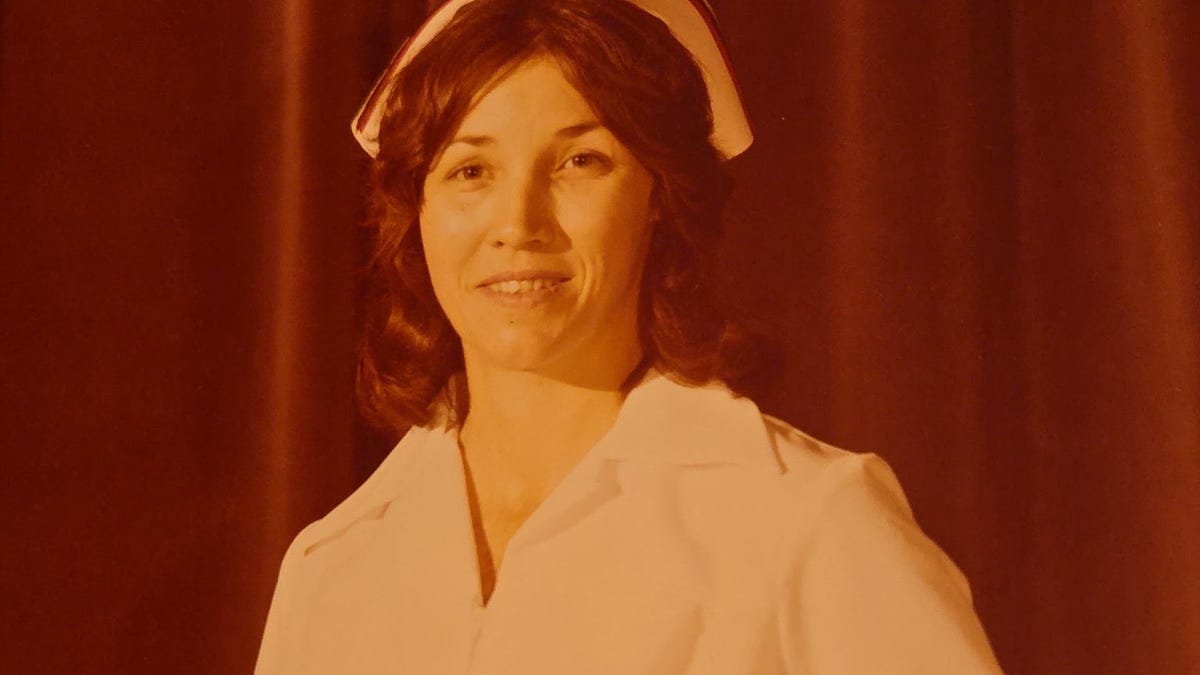
As doctors stopped prescribing hormone replacement during menopause, an uptick in fatal UTIs began. Why did FDA warnings against estrogen persist for decades? CANTON, Georgia – A nursing home assistant found Roselin Shankland struggling to breathe as she reached Room 204 on her morning rounds.
Shankland's pulse dropped to 34 beats a minute. Her blood pressure collapsed. By the time Shankland reached the hospital the day after Christmas 2023, a urinary tract infection had spread to her bloodstream.
Her organs were shutting down. Six hours later, the 78-year-old retired nurse was dead. Her death was the devastating end of a common – and often preventable – health threat facing older women.
It also reflected a broader failure to provide menopausal women with a widely recommended treatment that can prevent recurrent urinary tract infections. Menopause increases the risk of UTIs because declining estrogen changes the tissue and bacteria of the vagina and urinary tract, making it easier for harmful bacteria to grow. In older women, those infections are also more likely to spread to the bloodstream, causing sepsis, organ failure and death.
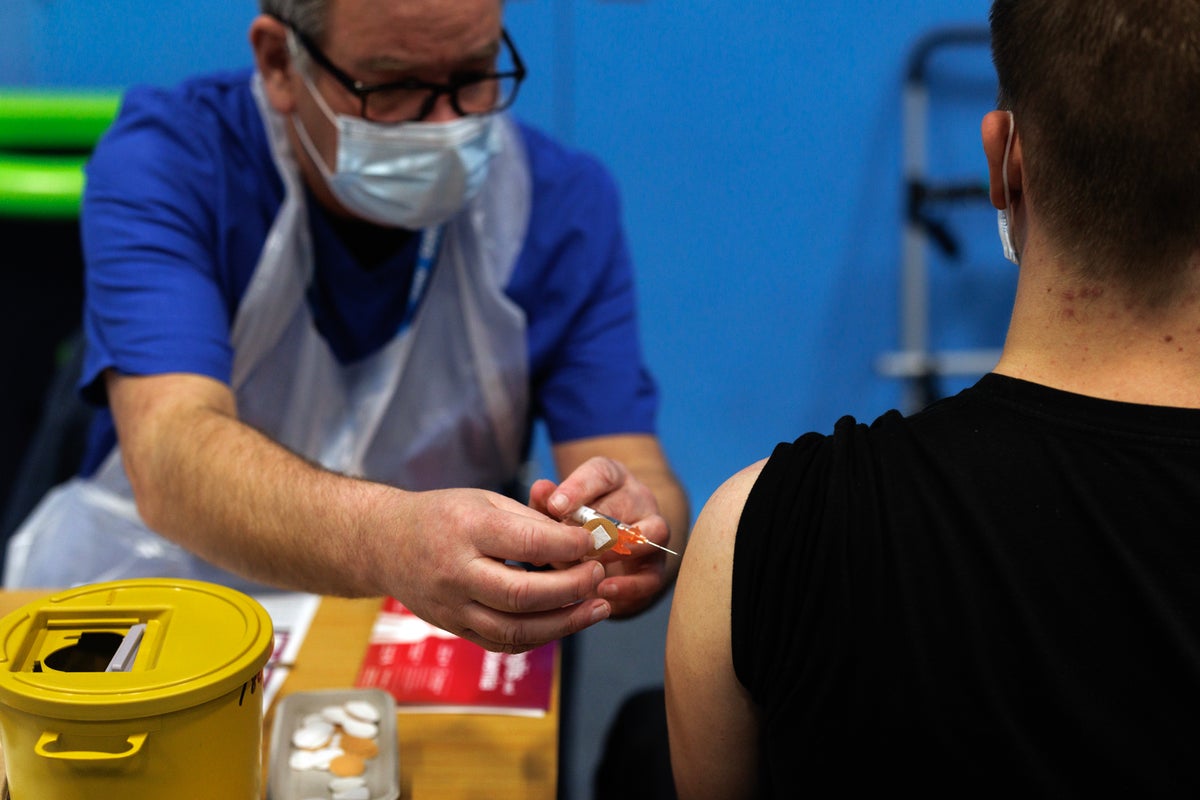
Vaginal estrogen, a low-dose treatment applied directly to the vaginal tissue as a cream, tablet or ring, can help restore those protections and prevent recurrent infections. It can cost as little as a few dollars a month. Major medical groups have recommended it for years for menopausal women with recurring UTIs, yet many women are never offered it.
Now, a peer-reviewed study of nearly 2 million women with recurrent UTIs provides striking new evidence of its potential benefits. Researchers reviewing medical records from 2017 through 2025 found that women 55 and older who were prescribed vaginal estrogen were about half as likely to be hospitalized with a UTI as those who were not. Their recorded rates of sepsis and death were roughly one-fifth as high.
The study was observational, not a randomized clinical trial, so it cannot prove that vaginal estrogen alone produced those differences — or that the medication would have prevented any individual woman's death. But the findings build upon decades of research showing that vaginal estrogen can reduce recurrent UTIs in menopausal women. Despite that evidence, only about 1 in 10 menopausal women covered by Medicare uses vaginal estrogen, according to records reviewed by USA TODAY.
The treatment remains underused even as UTIs send older women to hospitals and cost Medicare billions of dollars each year. A misinterpretation of the influential Women's Health Initiative in 2002 prompted the FDA to slap its strongest warning on all estrogen products, including low-dose vaginal estrogen that was never studied in the trial. The sweeping label scared doctors from prescribing medications their patients desperately needed, pushed women off treatment, and contributed to decades of missed opportunities to prevent serious menopause-related health problems for two generations of women we now understand can be fatal.
“This one very simple medicine could have saved my mother,” Shankland’s daughter Lorrie Durbin says. “She spent her life taking care of people. And in the end, no one took care of her.
My mother didn’t need to die.” Now almost one year after the FDA removed the warning label on vaginal estrogen (as well as other estrogen products), its use still isn’t widespread. Dr. Barry Zisholtz, the senior advisor to the director of the Centers for Disease Control, spent his career prescribing vaginal estrogen to women at his Atlanta area urology practice.
“Every woman in menopause needs vaginal estrogen,” Zisholtz told USA TODAY in an exclusive interview. “Vaginal estrogen prevents women from getting UTIs and keeps women from getting sepsis and out of the hospital. It saves lives.” USA TODAY interviewed dozens of women who had serious UTIs and their families, physicians and public health officials, and reviewed thousands of pages of these women'smedical records to understand this lapse in women’s healthcare and what can be done to help more of them.
Woman after woman told USA TODAY that physicians never talked to their mothers who had become seriously ill or died about vaginal estrogen, something that would have alleviated their painful UTIs – and ultimately prevented them in the first place. USA TODAY reached out to the FDA for comment. When Health and Human Services Secretary Robert F.
Kennedy Jr. announced the removal of the warning in fall, he said: “Today, we are standing up for every woman who has symptoms of menopause and is looking to know her options and receive potentially life-changing treatment. For more than two decades, bad science and bureaucratic inertia have resulted in women and physicians having an incomplete view of HRT. We are returning to evidence-based medicine and giving women control over their health again.” 'She was from the generation where you just suffered through it all' Shankland hit menopause coming off one of the best eras for women’s health care.
In the 1990s, hormone replacement therapy was one of the most prescribed medications. More women had access to birth control than ever before. And for the first time, women were included in clinical health trials.
The first Baby Boomers turned 54 in 2000. And then everything changed. Estrogen use plummeted from 27% of menopausal women in 1999 to 5% in 2020, according to the National Institutes of Health.
During a similar period, from 1999 to 2023, women's deaths from sepsis stemming from UTIs nearly tripled for women 45 to 64, according to a USA TODAY analysis of a data from the CDC included in the June 2026 International Journal of Gynecology and Obstetrics . “This was more than women simply suffering from hot flashes because they weren’t prescribed estrogen. They were dying,” says Dr.
Rachel Rubin , a Washington, DC-based urologist and menopause specialist who has studied UTIs and is fellowship trained in sexual medicine. “The lack of implementing guideline-recommended care here is becoming malpractice.” Shankland raised two girls as a single mother while working full time as a hospital tech and attending night school to become a registered nurse. She got a job in a Tampa hospital operating room, where Durbin remembers her mother proudly wearing her nurse’s uniform – back when it included a starched hat and white pantyhose.
She spent most of her career working for Veterans Affairs hospitals. “My mother didn’t complain much, but she also was from the generation where you just suffered through it all, sucked it up,” Durbin, 59, says. “This was a woman who worked hard, treated everyone with respect and wouldn’t question doctors.” When Shankland hit menopause, she was part of a generation that wouldn’t have asked her doctor for hormone replacement therapy, her daughter says.
Neither did most women. “Millions of women stopped getting relief from menopausal symptoms and countless more failed to reap the preventative benefits of menopause hormone therapy,” says Dr. Mary Claire Haver , an obstetrician and gynecologist and certified menopause provider who wrote “The New Menopause.” Decades later, researchers would say the study had overstated the risk of cancer for younger menopausal women, leading to the FDA removing the black box warning in November 2025.
Even when groups such as the Menopause Society suggested in 2004 that hormone replacement therapy including vaginal estrogen could be used for serious menopause symptoms, the FDA black box warning kept most women from using it. Women are dying from UTIs, this $13 drug could save them. Health and wellness senior national columnist Laura Trujillo explains how the FDA discouraged a drug that could save older women from dying of UTIs.
Shankland and most of her generation complied with the warning and subsequent recommendations from medical groups such as 2005 advice from the AMA Journal of Ethics that women carefully weigh the risks and benefits and that they should use fans or avoid spicy foods that might trigger hot flashes. But there was something doctors had not told them: Menopausal women are at higher risk for urinary tract infections. And as women get older, these infections can become more dangerous -- even deadly.
As a urologist and professor in Albany, New York, Dr. Elise De , understood the pain her patients faced from UTIs. She also knew that recurring UTIs often became resistant to antibiotics, and she had seen patients die from sepsis.
De led a team of researchers for the June 2026 study in the Urology Journal that became the largest review of its kind. They examined the health records of 1.8 million women with recurring UTIs, and studied the rates of hospital admission, sepsis and death from October 2017 to October 2025. They pulled data from more than 2,070 U.S. hospitals and 47,000 clinics.
The study looked at healthy women as well as those with kidney disease, catheters and diabetes. They looked at women in nursing homes and hospitals and those who simply visited their doctors or urgent care centers. They were particularly interested in menopausal women.
The difference between women who used vaginal estrogen and those who didn’t was striking. In women ages 55 to 69, 1.5% who used vaginal estrogen died versus 7.3% without – almost five times as many. This means vaginal estrogen could have saved the lives of 22,158 women in this age group alone over the eight-year period of the study, according to a USA TODAY analysis of the data.
“No matter their health, menopausal women who were prescribed vaginal estrogen fared better than those who didn’t in everything we studied,” De says. Vaginal estrogen prescriptions in women of any age with recurring UTIs saved lives. Because this wasn’t a controlled study but rather a review of existing health data, researchers considered which variables they couldn’t measure, such as whether physicians who prescribed vaginal estrogen gave women better care overall.
“It’s hard to argue with this data,” De says. “It’s more than an issue of ‘You can prescribe vaginal estrogen,’ it’s a ‘You should.’ We should have 90% of women 55 and older with UTIs using it.” The data, she says, points to a system failure, not a patient one. 'I could have died' Judith Lipton spent an entire Saturday afternoon on the couch of her Bellingham, Washington, home in May 2020 when she would usually be riding horses. By Monday morning, the retired psychiatrist stumbled on words, tried to put milk into the coffee maker, and worried her husband so much he drove her to a hospital.
ER doctors quickly recognized Lipton had gone into life-threatening sepsis. It began with a urinary tract infection. She’d had several UTIs earlier that year, and each time doctors prescribed antibiotics.
They never talked to her about prevention. Lipton spent five days in intensive care. “I could have died,” Lipton, 75, says now from her home near Santa Barbara, California.
When she saw a new urologist two years ago, he prescribed vaginal estrogen. She hasn’t had a UTI since. “So many of us older ladies don’t know about this.
We weren’t on hormones and no one told us we need this,” Lipton says. “I almost died from something that was preventable.” She called her mom. There was no answer.
The week before she planned to visit her in Georgia, Durbin couldn’t reach her mom. She called Monday and got no answer. She called the next day and left a voicemail.
She texted Shankland’s grandson who had spent part of his summer from New York in Georgia with her. He talked to her every other day. “Have you talked to Grandma?” He hadn’t.
Durbin drove straight to Georgia. Shankland’s front door was unlocked. “Mom,” she remembers calling.
She walked through the first floor yelling and found her mother naked on the bedroom floor. In the emergency room, doctors told Durbin that her mother had a neck fracture and a urinary tract infection. Shankland was given antibiotics.
Experts say the ER is where critical decisions can be made to help women with chronic UTIs. UTIs cause some older women to suffer delirium and are often wrongly treated for dementia. Their infections are overlooked.
Other times, the delirium from the UTI leads to falls and broken bones. Dr. Jessica Yearwood , an emergency room physician, noticed more menopausal women with UTIs showing up during her nightshift at a Seattle area urgent care.
She and other physicians typically sent them home with antibiotics. These same women would return a few weeks later with another infection. Yearwood began asking them one question: Are you taking vaginal estrogen?
Each one told her no. Yearwood, who also runs her own menopause practice, saw an opportunity to provide the care she saw lacking from many primary care physicians. Yearwood added a prescription for vaginal estrogen along with antibiotics.
“All of these women were saying, ‘Wow, no one has talked to me about this before,’” she says. “If I’m in a position to help women who might not be getting help from their regular doctors, I’m going to do it. Why would I miss a chance to help these women?” 'It was going to be just six weeks' Shankland spent two weeks in the hospital and was moved to a nursing care center November 13, 2023, to regain her strength.
Admission paperwork noted Shankland was taking eight medications, including a statin, a capsule for constipation, a pain reliever and folic acid. There was no medication listed for UTI prevention. Her crooked signature at the bottom of her admission form stated she wanted doctors to use life-saving measures to keep her alive.
Shankland’s Canton home had been her neighborhood’s gathering place. It had a basement bar and a game room, and she decorated them with wreathes and Santa figurines at Christmastime. Now she struggled to stand on her own or shower independently.
Durbin planned to move her mother down to Tampa with her as Shankland began occupational, physical and speech therapy sessions. She bought a power lift recliner for her mom to watch reruns of game shows like “The Price is Right” with Shankland’s younger sister, Mary. They two would laugh and bicker so much that Durbin used to joke that she should set up a camera and stream it as a reality show.
Durbin figured the physical therapy would help her mom become strong enough to move home. “It was going to be just six weeks,” she says. “The last time I talked to her, I told her, ‘I love you.
We’ve got everything ready for you to come home.’” 'The older you get, the more you get lost in the shuffle' Just two weeks after Shankland moved to the care center, her lab results showed a second UTI. A nurse practitioner prescribed five days of antibiotics, taken twice a day until she finished them Dec. 4. None of Shankland’s doctors ever mentioned that she should be on vaginal estrogen, her daughter says.
It was never noted in 830 pages of her care center records that USA TODAY reviewed. Even now, menopausal women often are only offered vaginal estrogen if they complain of pain during sex. Up to nine in 10 women develop genitourinary syndrome of menopause, which is a collection of symptoms in a woman’s genital tissue and urinary tract caused by low estrogen, according to National Institutes of Health.
It leads to incontinence, frequent need to urinate, painful sex and UTIs. All are treated with vaginal estrogen. Vaginal estrogen can be prescribed several ways, including a twice-weekly cream, inserts or a ring that is inserted every few months for women.
For many years, clinicians blamed women for their own urinary tract infections. They told them to urinate more frequently, to have better hygiene. They never explained that changes in menopausal women’s bodies put them at high risk.
Rubin says UTIs increase with age because of a changing anatomy. Estrogen loss thins the vaginal tissue and changes the microbiome, leading to a less acidic environment -- a breeding ground for harmful bacteria that cause UTIs. The loss of estrogen starts up to 10 years before a woman begins menopause and lasts the rest of her life, Rubin says.
Systemic estrogen, which menopausal women may be prescribed, often in a patch, can help with bone loss. It does not help prevent UTIs, researchers say. Many medical associations such as the American Urological Association, the Menopause Society and the American College of Obstetricians & Gynecology all recommend vaginal estrogen for menopausal women, especially those with recurring UTIs.
But a generation of physicians who attended medical school during the Women’s Health Initiative were not trained on hormone replacement therapy. Most doctors – even gynecologists – didn’t receive adequate training in menopause, according to a study in the Journal of The Menopause Society. Less than one-third of the almost 100 obstetrics and gynecology residency program directors recently surveyed said they were taught how to treat menopause symptoms during their residencies.
In reviewing thousands of pages of hospital and nursing home records from women who died from UTIs that turned to sepsis, USA TODAY found one urologist who prescribed a 92-year-old woman with recurring UTIS cranberry supplements in December 2024 instead of vaginal estrogen. She died one month later from sepsis from a UTI. This education and training gap leaves women without access to experienced menopause providers, a USA TODAY analysis found using data from The Menopause Society .
The nonprofit organization provides updated resources and guidelines for health care professionals and certifies providers in menopause care through exams and continuing education. The USA TODAY analysis shows that there is only one provider who specializes in menopause for every 11,000 women 50 and older in the U.S. There are now almost 6,000 certified menopause care professionals in the United States, most of them physicians.
That is up from 1,000 nearly a decade ago, but still far below the number needed to treat all patients. Amaia Palma, a Realtor in Miami, says no one ever prescribed her mom vaginal estrogen, despite multiple UTIs that caused her to suffer in the last years of her life before dying from Parkinson's disease in 2025. “She wasn’t having sex, so she didn’t complain.
And they didn’t help her,” Palma says. Her mother had been on hormone replacement therapy but stopped taking it in 2003 after doctors told her it was no longer safe. Palma, 52, met with five doctors before finding one that would prescribe her hormone replacement therapy, including vaginal estrogen.
“I’m just so grateful. I thought I was doomed. I looked at my mom and what she went through, and I didn’t want to be like that,” she says.
“We need to take better care of our mothers.” 'She was afraid she was going to die alone' Durbin’s mother would have turned 81 this year. When she’s missing her mom, Durbin turns on “MASH,” one of her favorite TV shows. They used to watch it together, her mom pointing out when the show portrayed nurses incorrectly.
She remembers her mother caring for her husband’s ex-wife when she had cancer. “My mom held her hand when she died,” Durbin says. She also tries hard to forget the morning after Christmas 2023 when a nurse called to tell her that her mom had been found unconscious and was on the way to the hospital.
Shankland was placed on a ventilator. A nurse practitioner called Durbin that afternoon. “I told Lori that (her mother) is very sick and from my perspective, she is terminal,” she wrote in Shankland’s hospital report.
“(Durbin) said her mom would not want to be kept alive like this. Lori asked me to pray with her mom and make sure that she was not alone. Myself and other nursing staff prayed with (Shankland).” Shankland was given morphine.
A physician noted the time of death: 3:09 p.m. Durbin hadn’t even started driving to Georgia yet. “My fear is that she died thinking no one cared,” Durbin said.
“She used to tell me was that she was afraid she was going to die alone.” Durbin’s family has filed a wrongful death lawsuit against the care center. Her lawyer, Michael Hill of Cleveland, Ohio, who specializes in nursing home abuse and neglect, says “vaginal estrogen is the standard of care for these women, and it isn’t provided.” The company has not returned multiple phone calls and email messages from USA TODAY. 'We need to start treating women like they matter' Policy changes, such as improving Medicare’s prescription coverage, could help more women, says Jennifer Weiss-Wolf , executive director of the Birnbaum Women's Leadership Center at New York University. A three-month supply of generic vaginal estrogen cream through online drug sites, such as Mark Cuban’s Cost Plus, costs $13, rings or inserts, however, can cost up to $1,000 every three months, which can exceed many Medicare plans.
The FDA says that hormone replacement therapy is approved for menopausal symptoms, such as hot flashes and night sweats, and symptoms due to changes to the vagina, vulva, and urinary tract caused by decreased estrogen. Some are approved for osteoporosis. The FDA has retained a warning for endometrial cancer for systemic estrogen products.
It is imperative that women understand vaginal estrogen is safe and necessary, says the CDC’s Zisholtz. “For 20 years we’ve seen commercials for erectile dysfunction and Viagra,” he says. “We need to take away the embarrassment when talking about women’s health and start saving lives.” Zisholtz wants to see nursing homes checking if women are on vaginal estrogen upon admission and starting them on prescriptions.
He wants menopausal women who are admitted to the hospital for pneumonia, hip surgery or other reasons to be prescribed vaginal estrogen as part of their discharge protocol. This year’s medical school class will be the first to enter without the FDA warning label on estrogen prescriptions. It might take a generation before those changes are implemented.
“These women, especially my mom’s age, just suffered in silence,” Durbin says. “And now it’s killing them. We need to start treating women like they matter.” In the past weeks, Durbin had been searching through her Tampa home and storage unit for mementos from her mom, something to remind her of the strong woman who raised two girls alone and later cared for her grandson.
The one whose biggest lesson from working at the veteran’s hospital was to treat everyone as if they were important. Among the items, her Georgia death certificate that states simply: multi-organ failure due to septic shock from a urinary tract infection. She finds an 8-by-10-inch photo from her mom’s nursing school graduation.
Shankland is wearing her starched cap and pressed white uniform dress, holding a red rose. Durbin smiles. She can still hear her mother telling her how much everyone matters.
Laura Trujillo is a national columnist focusing on health and wellness. She is the author of "Stepping Back from the Ledge: A Daughter's Search for Truth and Renewal" and can be reached at ltrujillo@usatoday.com. Facebook Twitter Email
Source: USA Today